Blog
Releasing your Neck from Tightness

Have you ever complained of a stiff, sore neck…
…and then not done anything about it? Join the club…we humans are a funny race when it comes to taking action to prevent pain. This is unfortunate because most modern activities are putting more of a burden on our neck, causing strain to the muscles and creating a greater risk for degenerative conditions in the vertebrae. The most common picture of muscular imbalance in the neck involves the muscles in the front being overextended while those in the back are short and tight. Postural awareness begins by listening to your body: when you feel pain, don’t ignore it! You can use simple stretching techniques to release tension from muscles and conditioning them to hold your head balanced atop the spine.
Let’s start being proactive with our pain
Next time you feel a stiffness in the neck, try a few of these easy stretches to release those muscles:
- Head rotation: tuck your chin toward your chest, then begin performing a crescent motion by rotating your head from shoulder to shoulder.
- Ear-to-shoulder: grasp the chair with your right hand to stabilize your body, then place your left hand on top of your head. Gently push your head down toward your left shoulder, feeling a deep stretch in the neck. Hold 5 seconds then repeat on other side.
- Behind-the-back: stand with feet shoulder-width and reach both hands behind you, grabbing your left wrist with the right hand. Pull your left arm away from your body. Hold 5 seconds and repeat with other arm.
How we help
If you are suffering from chronic neck stiffness or pain, we want to find the true source of your condition. Most often, dysfunction in the neck is related to muscles that have become imbalanced- the scalene group in particular. We can identify parts of the neck that are pulled out of position by your lifestyle and through strengthening and stretching retrain them into a position that is supportive of your head and preventative toward pain.
Tracking Your Back Pain with a Daily Journal

Coming to grips with your pain
If you live with chronic back pain, whether this is a recent affliction or a lifelong struggle, you need to be proactive about taking care of yourself. Too many of us simply ignore the pain until it accumulates into a debilitating episode that takes us out of action. At our office, we want to understand more about your pain to help us diagnose your unique situation.
Strategies for overcoming back pain
To create more effective strategies for overcoming back pain and dysfunction, we need to meticulously record your pain. To this end, we recommend that our clients maintain a daily journal of their spinal health. You can start this even before visiting your chiropractor for the first time. Record the location, type of pain, severity, and time of day when it occurs. If possible, also keep track of your levels of movement, your diet, and your exercise regime; these things may seem unrelated, but they play a central role in chronic back pain.
Working together to overcome your back pain
Sometimes all it takes us is a conversation to effect powerful changes in the way your spine feels. This conversation can be made all the more effective if we have a first-hand, in-the-moment account of your pain. When combined with diagnostic imaging, postural analysis, and a full physical examination, we will paint a comprehensive picture of your spine and what is causing your pain. From here, we can design effective strategies to overcome that pain and its underlying conditions. Give our office a call to schedule an appointment today.
Chiropractic for Pain Relief

Chiropractic Is effective at relieving pain
The core of chiropractic theory holds that the spine affects the function of your entire body. Therefore, in order to regulate the function of your body, including keeping pain at bay, a proper alignment of the spine must be maintained to allow you to move your best and allow your body to heal itself most effectively. But chiropractic doesn’t stop here when it comes to treating pain!
Our Chiropractic Office Is Your Pain Relief Center
We offer the following treatments to help you leave the pain behind:
- Spinal manipulation: a therapeutic treatment that applies pressure to the joint that accentuates your vertebrae in order to relieve pressure and reduce pain.
- Biomechanics counseling: are you using your body efficiently during the day? Or are you causing yourself more pain than is necessary? We can help you find ways to move more and move better.
- Postural analysis and advice: sitting has become the defining posture of our day and most people are causing harm to their spines by the way they sit. We can help you give your back a break and make it easier to sit up straight.
- Ergonomic training: we want to make sure that your workspace is supporting you and not causing further harm to your spine.
Pain relief
Our ultimate goal is to help you find relief from pain and overcome any conditions that are causing you trouble in your daily life. Our help doesn’t stop in the office, as we can give you a detailed plan for managing your pain from home. Give our office a call to schedule an appointment and start leaving the pain behind today.
Chiropractic for Frozen Shoulder
What is frozen shoulder?
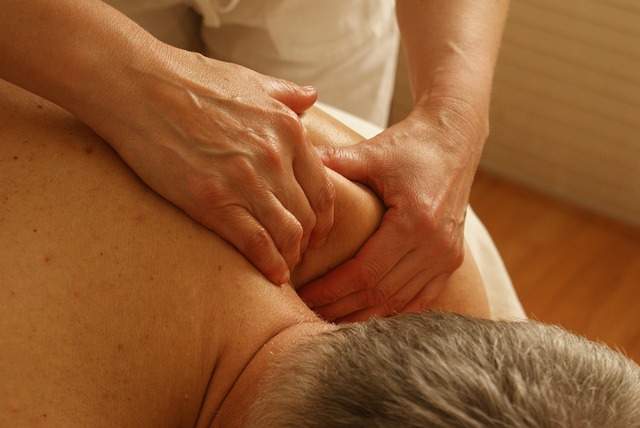
Less commonly known as adhesive capsulitis, frozen shoulder refers to stiffness, pain, and a limitation in range of movement in the shoulder. It commonly occurs after an injury, whether acute or from repetitive strain; tissues surrounding the shoulder joint stiffen, and scar tissue begins to form. When this occurs, any movement involving the shoulder can cause pain. This is a slow-moving condition, often taking more than a year to disappear.
Our goals for treating frozen shoulder:
- Use conservative manipulative therapy to diminish the severity of pain
- Improve mobility in the shoulder and cervicothoracic spine
- Reduce associated recovery time
Chiropractic care for frozen shoulder
Chiropractic care can be effective augment for treating your frozen shoulder. Through the use of manual adjustments to the affected joint and the cervicothoracic spine, we can help to reduce pain and restore mobility. Low-force adjustments are found to be the most effective for treating frozen shoulder, as well as those delivered by the Activator Method. If you are interested in recovering the lost range of motion, relieving pain, and rehabilitating your frozen shoulder, give our office a call to schedule an appointment today.
Range of Motion Where it Matters: Protecting your Neck

Few places are as important for a range of motion as the neck
Imagine that your neck had no independent articulation. While this may perhaps benefit people who suffer injuries from movement, it would make living a real pain in the…you guessed it. You would have to move your entire upper body to see from side to side or bend backward and forward to see up and down. For many people, the unfortunate reality is that injury or repetitive trauma has reduced their range of motion and makes normal tasks like looking side to side painful.
What is the normal range of motion in the neck?
There are four primary movements:
- Flexion: head to chest
- Extension: looking up toward the sky
- Lateral Bending: ear to shoulder
- Rotation: turning your head so that your chin is over the shoulder (or thereabouts)
What limits the range of motion in the neck?
Injuries to soft tissue in the neck, degeneration or injury to cervical vertebrae and spinal joints all make it difficult to move your neck without experiencing pain. Once you stop moving your neck, the muscles normally activated for movement cease to be used and start to atrophy, and range of motion is limited further. Injuries can be the direct result of trauma, from a car accident for example, or from a slow wearing down over time, for example from chronic poor posture.
What can we do about maintaining the range of motion in the neck?
At our office, we help you preserve a range of motion in the neck. A primary malefactor is poor posture- in particular forward head posture which sees the head positioned forward of its balanced point atop the spine. By resetting your posture, restoring spinal alignment through the cervical vertebrae, and adding strength and tone to the muscles of the neck and upper back, we achieve positive effects in your neck’s range of motion. If you are interested in leaving neck pain behind, give our office a call to schedule an appointment today.
Stretching in the Shower: An Excellent Idea

Why shower and stretch?
The shower is as good a place as any to have a stretch. It has the advantage of being a calming environment and, as the hot water cascades down on your weary muscles, why not turn up the relaxation one more notch by throwing in a couple of simple stretches? A few things to keep in mind: focus on being mindful by breathing deeply and avoid letting yourself become too dizzy; make sure you are properly hydrated and that the water temperature is set comfortably. Cool water has a tendency to tighten mussels while warmer water tends to loosen them.
A few shower-worthy stretches
- The clasped-neck stretch: Clasp two hands on the crown of your head and gently lower your head down toward your chest, effecting a double chin. Hold for 5-10 deep breaths.
- Release the shoulders: stand as upright as possible and squeeze your shoulders together. Hold 3 deep breaths, release and repeat. To add to the stretch and open up your chest cavity further, spread out your arms behind you as you squeeze.
- The back-bend: Stand upright, place your hands on your lower back/upper buttocks with fingers pointing upward and arch your back. Hold 5-10 deep breaths, release and repeat.
Warm water and stretching both have the advantage of releasing your muscles from tension. After a shower and a stretch, your body will be at one of its most relaxed points possible during the day. By practicing deep breathing, you are also calming the mind. This makes the shower and stretch combination a powerful tool for people who have difficulty falling asleep.
Stretching (and showering) is an integral part of our wellness plan
We believe that starting with 10 minutes of dedicated stretching a day can set you on a path toward doing great things for your body. Always stretch where you feel most comfortable- for some people this is in public, for others it is in the shower. Find your happy place and stretch it out! If you need help addressing long-standing muscle tension, back pain or nerve dysfunction related to subluxation, give our office a call to schedule an appointment today.
Study Finds Cannabis Compounds Prevent Infection By Covid-19 Virus

Our science research dollars are not just up in smoke this time. The medical community seems to have found another tool to fight the spread of COVID-19. Researchers at Oregon State University have published a report that claims, “Cannabinoids Block Cellular Entry of SARS-CoV-2 and the Emerging Variants.”
I’m sure more research will be needed and getting volunteers will be easy. If this is true the Cannabinoids industry will be having be having some fun with this new information. You can read a quick summery on the Forbs website linked here:
It looks like even the Variants can’t get past the has barrier. “Although further research is needed, van Breemen noted that study shows the cannabinoids could be developed into drugs to prevent or treat Covid-19.”
So for a bit of fun, when the office asks how high are you? You can say back, “no man, It’s Hi how are you! I did my research on the internet and now I’m fighting the pandemic.” And blow some cure in his face. Or maybe let your doctor prescribe it first.
Did you party too hard on New Years? Find the Sleep you Deserve

Finding it hard to stay asleep?
The sounds of the city can make falling asleep difficult enough, but many people struggle to stay asleep because of their sensitivity to noise. It is easy to be a deep sleeper- the kind who sleeps through smoke alarms- when you are young, but as we get older, we succumb to external and internal factors that make it difficult to maintain a healthy, restful level of sleep. While genetics and the possibility of a sleep disorder are also at play, there are many things you can do with your lifestyle to limit the incursions of noise in your sleep life.
Training yourself to become a deeper sleeper
The first key is setting yourself up for success: this means limiting factors that are antagonistic from the inside of your body. Alcohol, while sedative by nature, does not let you achieve deep restful sleep and once its effects wear off, you often find yourself awake and uncomfortable. Likewise, caffeine has large effects on your sleep, where the effects can be felt up to 8 hours after consumption. One final factor that may be preventing you from sleeping is the presence of screens before bed- the blue light that emits from your cell phone has been shown to interfere with the feeling of tiredness that eventually leads to sleep.
What else can I do to stay asleep?
- Melatonin, a natural chemical that is produced by the brain to influence sleepiness, can be purchased over-the-counter at your local pharmacy. Giving your melatonin levels a boost helps to encourage sleep.
- Magnesium and calcium supplements: the two combined have been shown to effectively treat insomnia.
- Control your sleep environment: keep it dark and cool. The cave-like sensation helps to switch off the brain- but don’t worry you can stay warm and happy underneath the sheets.
- White noise: something that many people do to regulate the many noises of the night. People use different white noise simulators- rainfall, river or rainforest are all popular options.
Is pain stopping you from sleeping?
Pain is another factor that prevents people from falling and staying asleep. If you have pain in your back or tight, tense muscles, they could be the main reason that you are not finding the sleep you need. Give our office a call to get to the root of the pain and create a plan for rehabilitation today.
Make 2022 the Year of Preventative Health

Health is trending for 2022
What is more important than your health in 2022? Trending aside, this new year is awash with possibilites for improving your health on a holistic scale. At our office we are concerned with two parts of holistic wellness:
- Preventative Healthcare
- Musculoskeletal Medicine
We focus on using natural modalities to improve your body’s innate capacity for healing, to help you look, feel and function better at any age. The truth is, musculoskeletal disorders are on the rise in the USA. From an aging society, to more jobs shifting into sedentary settings, the odds are more stacked against us than ever when it comes to taking care of our physical health. No matter how you look at it, there is simply no excuse for not taking better care of yourself this new year.
Preventative Healthcare
We believe that spinal health is the foundation for overall wellness. Many of our patients have been living for years without the proper amount of awareness and knowledge necessary to make improvements in their spinal health. This has left them in the throes of back pain and spinal degeneration which then affects all other parts of their life. We respond by providing every new partient with a comprehensive physical examination that includes the patient’s medical history, a musculoskeletal evaluation and static postural analysis. This allows us to identify shortcomings in musculoskeletal health including spinal misalignment, nerve dysfunction and postural weakness. From here we tailor an individual plan that will help you reduce pain, improve function and prevent future illness and injury.
Making your health a priority this new year
Don’t wait for your health problems to catch up to you! It’s time to stop ignoring the factors in your life which are holding you down. Let’s work together to design a solution that will help you feel like your best You this new year.
Merry Christmas from a Concerned Chiropractor

Christmas has a way of hampering people’s fitness progress
Nowhere is this more evident than in our spines! The most important things we can do for our spines are:
- Maintain a healthy weight
- Maintain a reasonable level of activity
- Avoid inflammation
- Practice good posture
The holiday season puts all of this in jeopardy; studies show that activity levels among the population reach their lowest during December. Add in the fact that we tend to eat more food and you have a formula for weight gain and back pain that few of us can afford. The final picture is of someone relaxing on the couch, posture unsupported, wincing from back pain inside while they outwardly smile. If this is you, read on to find out how we can help you use the positive energy of the holiday season to effect powerful changes in your spinal health.
Pain is no one’s idea of a good time
We are in the business of helping you face down your back pain. The first step of any solution is to identify your particular risk factors. Are you prone to overeating? Do you overindulge in the punch, then find yourself sprawled on the couch? Do you feel extra sluggish during the holiday period? All of these things are hard on your spine. Weight gain causes extra pressure on the spine; alcohol contributes to inflammation; and inactivity allows for tension to accumulate in your muscles, pulling your spine out of alignment. If you struggle with chronic back pain, you need to be proactive about the health of your spine this holiday season.
Doing something about back pain this holiday season
You have the power! Watch what you eat and drink, and take every opportunity to get up and move. Give our office a call to schedule an appointment before, during, or after the holiday season. Let’s make this the last holiday where your back pain has a prominent seat at the table with the rest of your family.