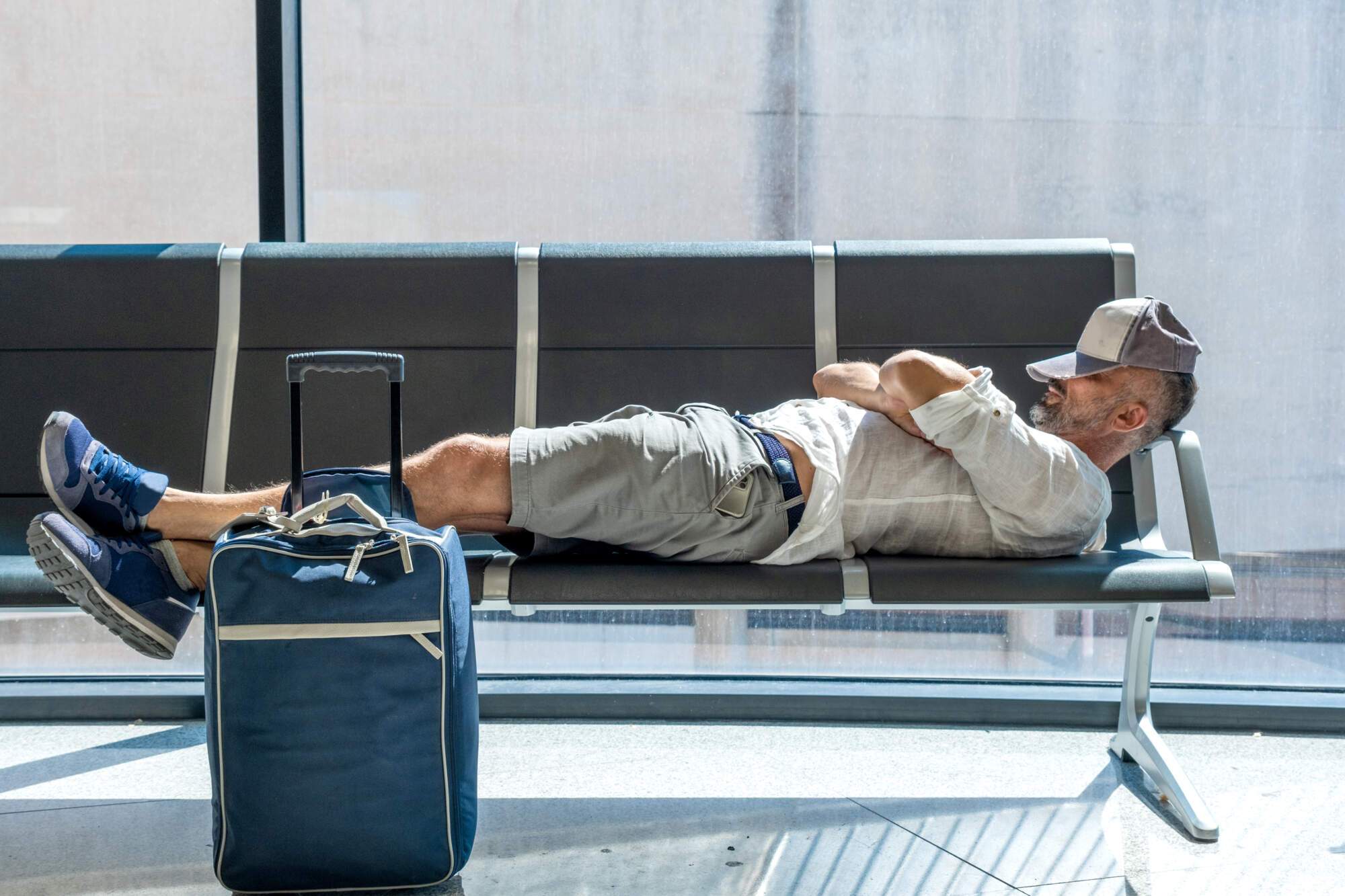
Holiday Traveling
How Travel Sleep Disruption Affects Your Spine and Nervous System
Holiday travel is exciting, but crossing time zones and sleeping in unfamiliar beds comes with a cost: jet lag and sleep disruption that can throw your body out of balance. Most travelers focus on fighting fatigue, but few realize that irregular sleep schedules directly impact your spinal health and nervous system function. When your sleep is disrupted, your body’s ability to regulate pain signals weakens, misalignments accumulate, and recovery slows down—often right when you need to feel your best.
Understanding the connection between travel sleep loss and spinal health can help you protect your body during the busy holiday season and return home feeling better, not worse.
Why Sleep Loss Amplifies Pain and Spinal Misalignment
Your nervous system controls pain perception, muscle tension, and spinal alignment. During deep sleep, your body repairs tissue, reduces inflammation, and resets your nervous system. When jet lag or travel disrupts that cycle, several things happen at once: your pain threshold lowers (meaning minor aches feel worse), your muscles stay tense and rigid, and your spine loses the stability it needs to stay properly aligned.
Travelers often arrive with an existing problem—poor airplane posture, cramped hotel beds, or stress-induced muscle tension—and sleep deprivation amplifies all of it. A night or two of poor sleep can make an old back injury flare up or trigger new neck pain that wasn’t there before takeoff.
Sleep Hygiene Tips for Holiday Travelers
Before you board, set yourself up for better rest:
- Adjust your sleep schedule before traveling. If you’re heading east, go to bed earlier a few days before your flight. If you’re heading west, stay up later. This gradual shift helps your internal clock adapt faster than sudden time zone changes.
- Stay hydrated and limit caffeine. Airplane cabins are dry, and dehydration worsens fatigue and muscle tension. Avoid caffeine after 2 p.m., especially on the day you land.
- Bring a supportive travel pillow. Your neck undergoes significant stress during flights. A good pillow supports your cervical spine and prevents the morning stiffness that compounds jet lag.
- Move regularly during travel. Every hour or two, stand, stretch, and walk. This keeps your spine mobile and prevents the spinal stiffness that poor sleep will only worsen.
- Optimize your hotel sleep environment. Request a firm mattress or bring a portable lumbar support. Keep the room cool and dark to signal your body it’s time to rest, even if your internal clock disagrees.
- Avoid heavy meals and alcohol before bed. Both disrupt sleep quality and increase inflammation—exactly what your spine doesn’t need during travel.
Why a Spinal Adjustment Before or After Travel Helps
A pre-travel or post-travel adjustment with Dr. Gregory Lind can accelerate your body’s recovery from sleep disruption and time zone stress. Here’s why: when your spine is properly aligned, your nervous system functions optimally, which improves sleep quality and pain regulation. An adjustment removes subluxations (misalignments) that travel compresses into your spine, restores normal nervous system signaling, and helps your body adapt to time zone changes faster.
Many of our Milpitas patients schedule an adjustment before holiday travel to ensure their spine is aligned and mobile for the physical demands ahead. Others come in within a few days of returning, when jet lag and travel stiffness have accumulated. Either approach works—the key is giving your nervous system the support it needs to reset quickly.
If you’re dealing with existing pain or a history of back or neck problems, a pre-travel adjustment is especially valuable. It addresses vulnerabilities before travel stress compounds them, so you can actually enjoy your holiday instead of nursing travel-induced pain.
Getting Back in Sync Faster
Jet lag and sleep disruption are temporary, but the impact on your spine can linger if you ignore it. By combining solid sleep hygiene habits with spinal care, you give your nervous system the best chance to recover and your spine the alignment it needs to handle travel stress. Whether you’re crossing the country or dealing with a few nights of irregular sleep at home, your spinal health matters—and proper rest and alignment make all the difference.
If you’re traveling this season and want to protect your spinal health, consider scheduling an adjustment before you go. Dr. Lind is here to help you stay aligned and pain-free, even during the busiest travel days.
Call (408) 263-8025 or visit our contact page.